Nutritional Insights for Men
General nutritional knowledge tailored to common physiological aspects and well-being considerations for men.
Understanding Protein Needs for Men
Protein is particularly important for muscle maintenance, strength, and overall bodily function. While protein needs vary based on activity level, age, and individual factors, men generally benefit from consistent protein intake throughout the day.
Protein Sources
- Lean meats and poultry
- Fish and seafood
- Eggs and dairy products
- Legumes and beans
- Nuts and seeds
- Whole grains
Combining different protein sources ensures a complete amino acid profile and diverse nutrient intake.

The Importance of Fiber in Male Diets

Dietary fiber supports digestive health, healthy cholesterol levels, stable energy, and sustained satiety. Despite its importance, many men do not consume adequate fiber.
Fiber Benefits
- Supports regular digestive function
- Feeds beneficial gut bacteria
- Helps maintain stable blood sugar levels
- Contributes to satiety and healthy weight management
- Supports cardiovascular health
Increasing Fiber Intake
Whole grains, legumes, vegetables, fruits, nuts, and seeds are excellent fiber sources. Gradually increasing fiber intake and maintaining hydration supports comfortable digestive adaptation.
Nutrient-Rich Foods for Everyday Vitality
Men can support everyday vitality, sustained energy, and overall well-being through consistent consumption of nutrient-dense foods that provide optimal nutritional value relative to caloric content.
Essential Nutrients for Men
| Nutrient | Key Foods |
|---|---|
| Zinc | Oysters, beef, pumpkin seeds, legumes |
| Magnesium | Dark leafy greens, almonds, seeds, whole grains |
| Iron | Lean meats, legumes, dark leafy greens |
| Omega-3 Fatty Acids | Fatty fish, flaxseeds, walnuts |
| Vitamin D | Fatty fish, egg yolks, mushrooms, sunlight exposure |
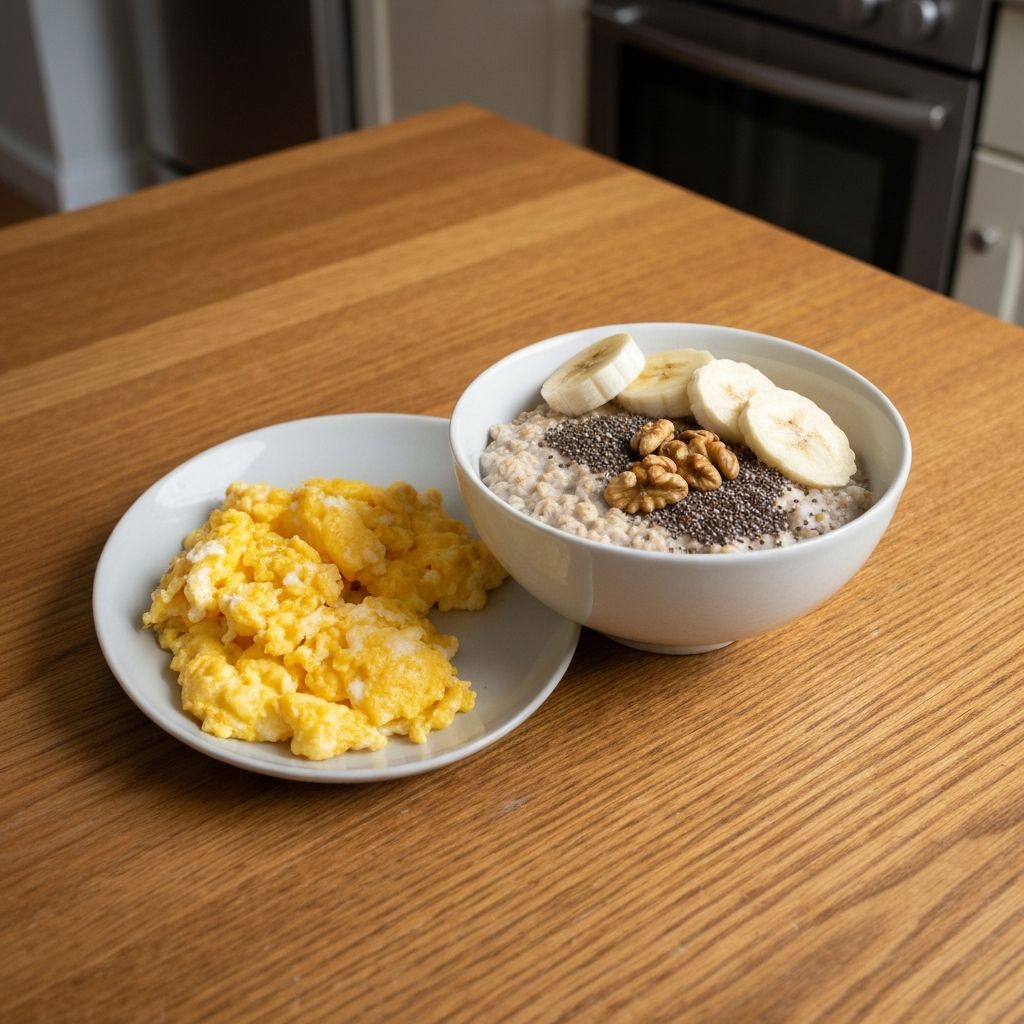
Supporting Energy and Muscle Maintenance
Sustained energy and healthy muscle maintenance depend on several dietary and lifestyle factors working together.
Balanced Meal Structure
Each meal combining protein, complex carbohydrates, healthy fats, and vegetables supports stable blood sugar, sustained energy, and optimal nutrient absorption. This balanced approach is more effective than any single nutrient focus.
Timing and Frequency
Consistent meal timing throughout the day supports stable energy levels and optimal metabolic function. Avoiding prolonged periods without food helps maintain focus and energy while supporting healthy appetite regulation.
Hydration
Adequate fluid intake is essential for energy production, temperature regulation, nutrient transport, and cognitive function. Thirst is often a late indicator of dehydration, so proactive hydration throughout the day is beneficial.
Movement and Activity
Regular physical activity supports muscle health, cardiovascular function, metabolic efficiency, and overall vitality. Combined with balanced nutrition, activity enhances all dimensions of well-being.
Connecting Nutrition to Lifestyle
Sleep and Recovery
Quality sleep supports immune function, hormone regulation, muscle recovery, and metabolic health. Nutrition influences sleep quality, while sleep influences food choices and nutrient utilization. This bidirectional relationship highlights the importance of both adequate nutrition and sleep.
Stress Management
Chronic stress influences eating patterns, digestive function, and nutrient absorption. Incorporating stress-reduction practices—whether through movement, meditation, or social connection—supports both mental well-being and nutritional health.
Consistency Over Perfection
Sustainable health comes from consistent dietary choices over time rather than perfect adherence to any single approach. Including whole, nutrient-dense foods most of the time while allowing flexibility creates sustainable patterns that support long-term well-being.
Important Context
Individual Variation: The information presented here provides general nutritional insights for men based on common physiological considerations. However, specific nutritional needs vary significantly based on individual factors including age, activity level, existing health conditions, medications, genetic factors, and personal circumstances. This content is educational in nature and does not replace personalized guidance from healthcare professionals. For individualized nutritional recommendations or specific health concerns, consultation with a registered dietitian or healthcare provider is recommended.
Deepen Your Understanding
Explore comprehensive nutritional information and educational resources on our main site.
Learn More